Industrial Scale Grows Steadily, Brand System Improves Increasingly
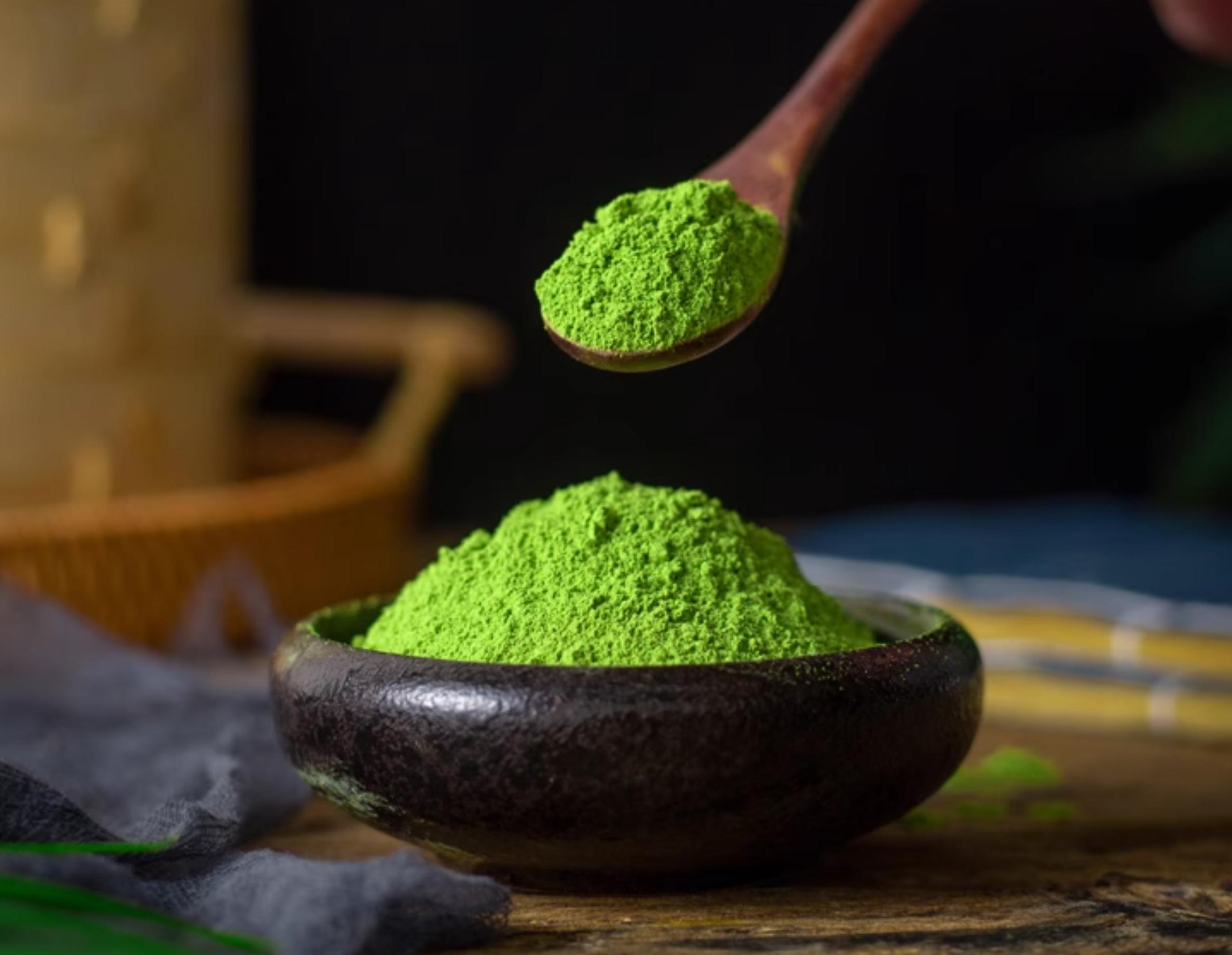
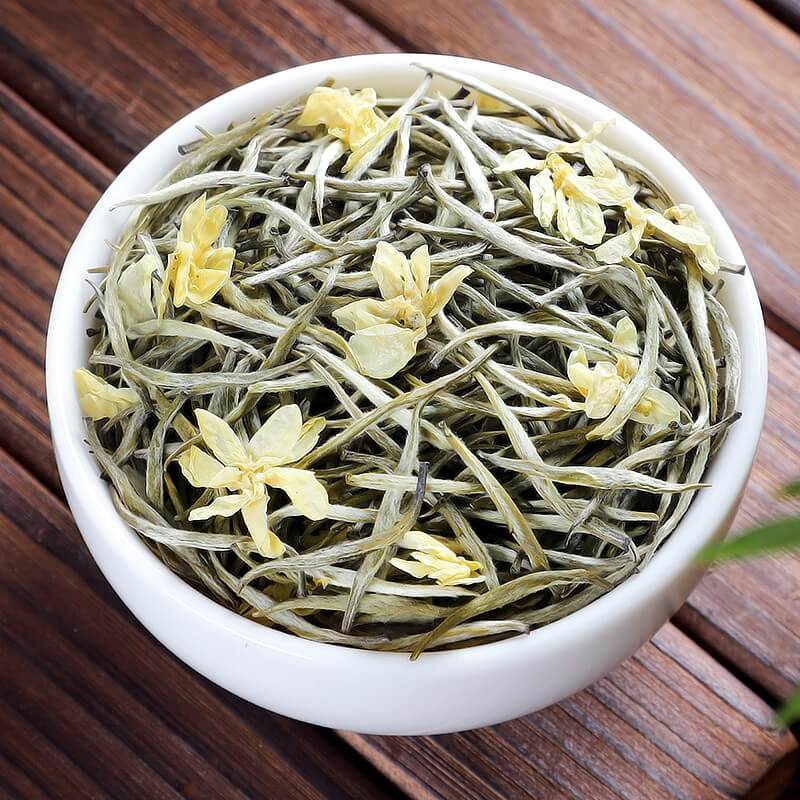
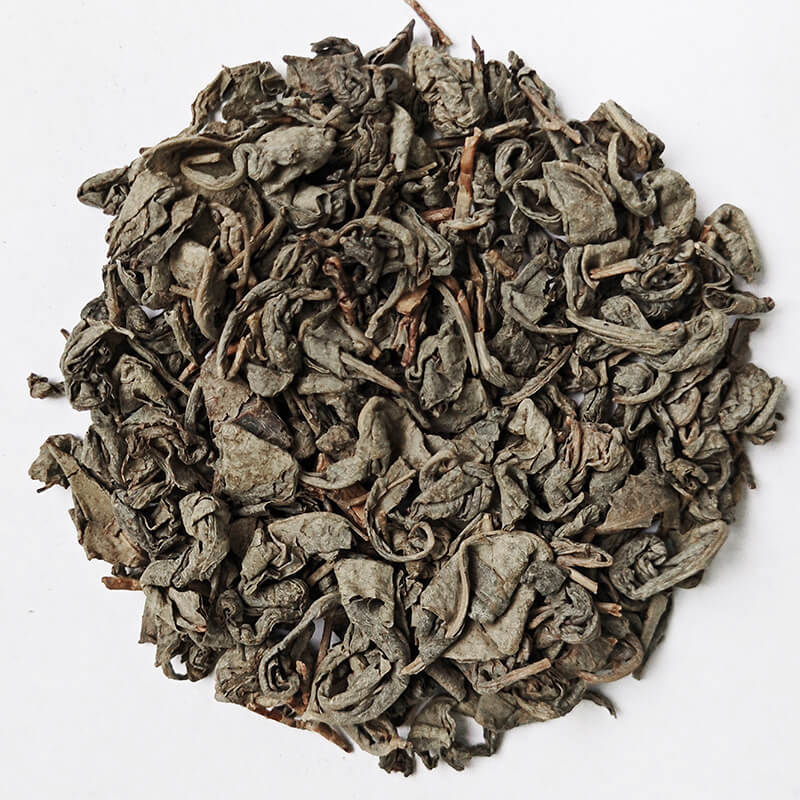
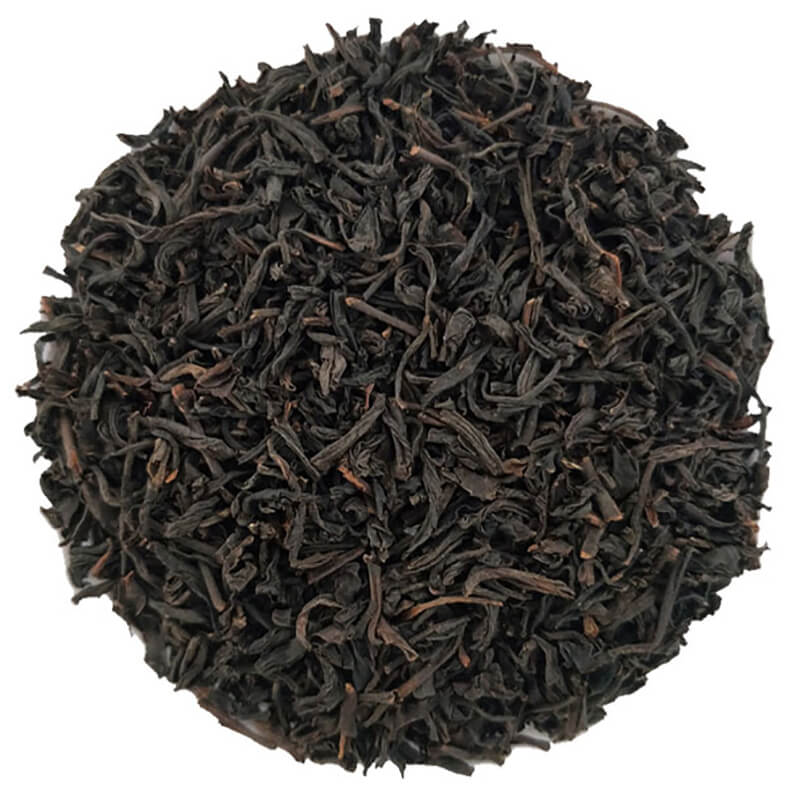
The “China Tea Brands Development Report 2024” shows that China’s tea industry has maintained a sound momentum of simultaneous growth in scale and efficiency. In 2022, the national tea garden area reached 50.89 million mu, with a total output of 3.3421 million tons and a per unit yield of 65.87 kg/mu, increasing by 2.12 times, 3.89 times and 0.57 times respectively compared with 2000. The six major tea categories have developed in a coordinated manner, with green tea dominating the market with a 58.3% output share, while black tea, white tea and other categories have achieved significant growth rates.
In terms of brand building, 19 major tea-producing provinces nationwide have formed 462 regional public brands and 1,321 key enterprise (product) brands, establishing a five-level matrix of “provincial/municipal/county regional public brands + enterprise brands + product brands”. Sixteen regional public tea brands including West Lake Longjing and Xinyang Maojian have been included in the Ministry of Agriculture and Rural Affairs’ premium cultivation program, and 26 tea brands have ranked among the top 100 Chinese geographical indication regional brands.

Precise Policy Support, Outstanding Innovative Practices
At the policy level, China’s tea brand policies have become refined, forming a three-in-one support system covering brand protection, construction and promotion. From the “Agricultural Brand Premium Cultivation Plan (2022-2025)” to local legislative protection, policy dividends continue to be released. Hangzhou, Wuzhou and other places have successively issued protection and management regulations for West Lake Longjing and Liubao Tea to safeguard brands.
In innovative practices, many regions have explored characteristic paths. Fuding White Tea has built a big data traceability system through the “Five Teas for Brand Building” strategy, driving income growth for more than 380,000 tea-related personnel; Yingde Black Tea has adopted the integrated model of “media publicity + tea events + cross-border integration”, achieving a comprehensive output value exceeding 6 billion yuan in 2022; Anhua Dark Tea has created an integrated tea-tourism-culture-sports-health system and established a 5G smart agriculture big data center, with a brand value of 4.385 billion yuan.
Upgraded Consumer Demand, Continuously Optimized Market Pattern
The consumer side presents diverse characteristics: the core consumer group is aged 26-60, with Pu’er tea, black tea and white tea being the most popular, and 61.8% of consumers choosing three or more tea categories. In terms of purchasing channels, 66% of consumers prefer offline scenarios such as tea cities and physical stores, while online live broadcasts and e-commerce platforms have become the mainstream choices for young groups.
Brand influence continues to expand. The scale of China’s new tea beverage market is expected to reach 149.8 billion yuan in 2023, with a growth rate of 44.3%. Brands such as Mixue Ice Cream & Tea and Guming have exceeded thousands of stores in scale, while Naixue’s Tea and Heytea have attracted young consumers through national trend innovation. In the international market, China ranks first in green tea exports globally, with tea export volume reaching 1.741 billion US dollars in 2023, and significant export growth rates for categories such as Liubao Tea.
In the future, tea brands need to focus on three major directions: green ecology, cultural empowerment, and youth fashion. By enhancing the professionalism of brand operation, strengthening cross-regional coordination, and innovating digital marketing, they will promote the transformation of Chinese tea from “raw material export” to “brand export”.